

Make Your Nine to Five Fund Your Freedom Not Your Burnout - Episode 151
In today's episode, I talk with Angel Mathis about how she paid off a big debt, saved a lot, and made work optional as a nurse. We share simple steps you can copy, like tracking your money, using your benefits, and investing a little each month. Angel also tells the real story of burnout and how clear boundaries and a plan helped her heal. We talk about buying a home with cash, taking time off to hike and travel, and building a life you love without fancy math.
About our guest:
Angel Mathis is the founder and CEO of Nurses Investing For Wealth. She’s been a nurse for 23 years and an NP for 17. She’s served as President of the King County Nurses Association in Seattle, WA and is a former American Nurses Association Advocacy Institute Fellow. Her work has been featured in journals like the New England Journal of Medicine, JAMA, and Journal of Infectious Diseases.
When Angel became a nurse, she started building her own money method with a singular goal: to break her family’s generational poverty cycle. Even though her first nursing job paid her just $16/hr, she was able to pay off $200,000 of debt, buy her home in cash, cars in cash, and make work optional by her mid-thirties. She’s so glad she did, because the realities of nursing left her exhausted, and she took 5 years off to recover.
Now she has turned her money method into a State Board of Nursing Continuing Education program, called Ultimate Nurse Investing. In it she teaches nurses how to fund their future using small portions of their paycheck so they can work less (and still retire early) if they want to. You can learn more, and even get her free training on her website at https://learn.nursesinvesting.com/
Fellow Nurses: How to Become Work Optional in One Hour a Month
—-
Please join me here, and follow me on social media, Instagram, and Facebook.
Need help getting started on your path to financial freedom? Start Here
Join the Financially Intentional Community
Oh and please subscribe and leave a review on whatever app you're using to stream this podcast.
Get my book Smart Money

Subscribe & Review
Love this episode? Please subscribe and leave a review on your favorite podcast platform.
TRANSCRIPT:
Naseema: [00:00:00] Angel Mathis is the founder and CEO of Nurses investing for Wealth. She's been a nurse for 23 years and a nurse practitioner for 17. She served as the president of the King County Nurses Association in Seattle, Washington, and is a former American Nurses Association Advocacy Institute fellow. Her work has been featured in journals like The New England Journal of Medicine, jama.
And Journal of Infectious Disease. When Angel became a nurse, she started building her own money method with a singular goal to break her family's generational poverty curse. Even though her first nursing job paid just $16 an hour, she was able to pay off 200,000 in debt by a home in cash, cars in cash, and make work optional in her mid thirties.
She's so glad she did because the realities of nursing left her exhausted and she took five years off to recover. Now she's turned her money method into a state board of nursing [00:01:00] continuing education program called Ultimate Nurse Investing.
In it, she teaches nurses how to fund their future using small portions of their paychecks so they can work less and still retire early if they want to.
All right. What's up? My financially intentional people? We have a special treat today 'cause we have my friend, long time friend Angel Mathis joining us, and she is a nurse and she is in a similar space to me. She teaches nurses how to work towards financial independence in their jobs where they're at and. She just does a phenomenal job explaining, especially investing concepts and how to maximize your benefits. So I love Angel and I wanted to share her with you guys, and I just wanted to talk about, how understanding your job and using your job as a tool for financial independence can make you.
[00:02:00] Have better job satisfaction in general, but this is not just for nurses because it's, we are both nurses, but I really feel like when you have your financial goals aligned and you understand how to use your nine to five, your contract, whatever you're doing, your job. On that path, it makes the work so much easier and you show up as a different person.
So thank you Angel, for joining us. And I'm just so interested to first let everybody get to know you and then dive into all things money with you.
Angel Mathis: Thank you, Naima. It is so good to be here with you. You're such a pers, you're a person who I just admire so much, and I think that you're always doing really cool things and to be here with you, it is just such a highlight for me. So thank you so much for having me.
Naseema: I really, really appreciate you, but let's talk about your background, like how did you get started [00:03:00] in nursing?
Angel Mathis: Okay, so going, going back, I'm gonna keep this short and I'm gonna start midway through,
Naseema: Okay.
Angel Mathis: is at, I've been a nurse for 23 years now, and I, I'm gonna start midway through when, at a time, not so long ago, when I felt completely dispensable at my job, when my medical director looked me in the eye and said.
You already make enough? What more do you want? And that was in response to me calling a meeting with him, letting him know that I felt pushed to the edge by my packed schedule and too many unpaid work hours. So to get told that I already make enough for not making any money for work hours that I was doing, it hit me like a ton of bricks.[00:04:00]
And I knew I was coming to that point because I had worked so hard to get to that point. I was working as a FNP at the time in a clinic, and I had barely scraped it together to get to that point. I was part of my journey, include working night shifts as a CNA while I was in nursing school and donating plasma.
And I knew that I wanted to travel, buy, house, and invest and do it all while tackling my debt and saving a retirement. But I had no idea how to make any of that work. I found here I was, I found myself in a burnout job that I couldn't imagine doing for another five years, let alone a lifetime. That's when I realized I needed to figure this out for myself, and at first, even logging into my accounts felt hard and I didn't know what anything meant, but I kept at it and [00:05:00] I started small.
I was researching, trying to make sense of my finances, looking for anything that could help me feel like I wasn't just working to survive. There I was. I was chipping away at my debt, slowly saving, slowly investing, and I started realizing that I had way more control over my career and my future than I thought.
And after just five years, I was nearly debt free and I had a hundred thousand dollars invested, but I was still a stressed out FMP, and I wanted to know, can I quit? Be okay without ruining my future. And that's what I did. I quit nursing, so I was 35. I quit nursing and I put my system to the full test and I hiked the Pacific Crest Trail, that trail that goes from Mexico to Canada.
I learned Spanish in South America. During that time, I bought my house and cash, cars and [00:06:00] cash, all while staying on track for retirement and increasing my net worth. My mind was blown, but at the same time I was terrified that I was gonna run out, but I didn't. And eventually, five years later, so 35, I did that.
Five years later I went back to nursing, but it was because I wanted to, not because I had to. That changed the way I showed up as a nurse, and so that's my story. I know what it's like to feel stuck, giving everything, caring for others, feeling like no one's there for you. It does feel unsustainable.
It did for me. But I have learned for myself that the key to surviving nursing is to find the things that you can control and control them. To me, the number one thing you can control is your own financial strategy. And I bet Naima that you [00:07:00] probably feel similarly to that.
Naseema: Yeah, I do. And I totally agree. And it does change the way that you show up because you have a certain goal. You hear. All these people talk about, oh, entrepreneurship ditch to nine to five, ditch to bedside. Oh, you're still a bedside nurse. I am. And you know why? Because I know how to use my benefits.
I know how to invest my money, and all of those things have made me a millionaire. And I enjoy doing it and I know how to control my environment and I don't do work that I don't enjoy. And so I'm able to show up differently because of that freedom. But I really wanna go back to that point where your boss was telling you that you already made too much and you knew you was being underpaid.
Because that leap to where you were able to take a year off. And your money was growing while you were doing these phenomenal things, buying a house and buying a car, people are just [00:08:00] like, wait a minute. That doesn't even make sense. Bring us back to that. Like how did you get there? First of all, did you leave that job and go somewhere else?
Did you do it within that job? Let's go
Angel Mathis: I know. You're like, wait a second. Black spots, black holes fill. Fill in the blanks. We need more. We need more. Okay. So I'll go back to and say.
I was really not making very much money just a couple months ago, my colleague messaged me and she was like, is this still your email? The last time I emailed you was 12 years ago and we were complaining or something like that. 12 years ago, maybe more, we were complaining about making $38,000 a year.
Naseema: What.
Angel Mathis: I know, so I'm not making this up in my head. This is very fresh, written in an email. And I was like, yes, I remember. I, because part of me sometimes thinks maybe I was making more than IW was. That was a part-time, that was for part-time work. I had another [00:09:00] job that did that, paid me about the same all up 70, $75,000 a year.
Naseema: That's with two jobs though.
Angel Mathis: I'm telling you, I'm not making it up. Like I had an average. I've never had one of these high paying nurse jobs. Okay. I just, that's not what I had. I should have. I should have, but I did it. Okay. But to fill in the gaps here, I totally get that. It feels crazy to think about going from $200,000 in debt.
To the point where you don't have to work for five years. It felt crazy to me too, and there was a six year period where I was paying down that debt and. , Working to that point of quitting. I didn't know that that's what I was doing, but I was serious, right? I was like, I need every single dollar that I earn to mean something because this is not gonna be my life forever.
And so I was really serious about that, and I set up a system that I used that [00:10:00] worked really well for my nursing schedule. Nurses will understand, right? Like shift differentials, variable pay. If you're a traveler, you don't get. Social security benefits necessarily, or you get, sorry, disability benefits are changed, things like that.
Like I had to set up some things that were very specific to me as a nurse, and then I also had to. Trust myself enough that I could manage my money on my own. I worked with a financial advisor for a while. It cost me a fortune, an arm, and a leg. It was a huge mistake I made, but I did it. It got me ahead, but it also, like I could have gotten further ahead.
So all of that to say I surprised myself, like when I quit nursing. I did not go into another job. So when I was 35, I quit. I planned to go to another job. I planned to take six months off and then go back. But then my money situation [00:11:00] is looking good, right? And I'm like, oh, I don't have to another six months.
Next thing I knew another year, next thing I knew another year. When you don't have to go back, you really start to think about why would I go back? And in the end I did, five years later I did go back to 10 hours a week. And
I did that because my license was, I was about ready to lose practice hours, right? So I had to do some things. I had a real come to Jesus moment where I was like, am I gonna let my whole career that I've worked for? Just go like that, and in the end I just was like, I can't do it. So I took a job and it was 10 hours a week, telemedicine.
But here's what happened next. Same old stuff walked into. Getting asked to work more unpaid hours, getting bullied. I, for the first, I'm so lucky that in my [00:12:00] career mostly I never was bullied. I know a lot of nurses can't say that, but I did in this new job. But here's the thing, I was like, I came here because I, wanna keep my license.
No one can tell me nothing. I am the boss of me. And you know what? No, I don't work for free. No, I don't accept being treated like that. No. So boundaries to the moon. And yeah, that's how that all happened. It wasn't just a snap in the night. It was a series of consistent actions and time that unfolded, that revealed itself to me that revealed my path to me as I went.
Naseema: Okay, so first of all, I did let my license, not my license, I let my certification laps. Yeah. Because I was like, when you don't practice as an mp, the amount of hours you have to submit to keep your license up is freaking ridiculous. And I was just [00:13:00] like. I really just did not wanna sit down and submit all those hours, even though I probably had done it.
And that's the thing, like I think I've talked to you about this before, like there really needs to be a way, like when you take CEEs, it needs to just live in a repository and somebody could just go look and see where it goes. Because why am I doing all this data collection in 2025 or whenever it was?
But still there's nothing that exists right now. So
Angel Mathis: Business idea.
Naseema: I
Angel Mathis: Anybody who's listening.
Naseema: That is a business idea. There should be just a clearing house right. Of CEEs that everybody knows. And you can just see, just like you can pull up your license, you can pull up how many CEEs you do.
Anyway, that's my rant for today. But, yeah, I let Mines last, but I really wanna, talk about numbers again?
Angel Mathis: Yeah.
Naseema: I think, I think Maybe I missed it because the baby was yelling in my ear and I couldn't really hear, but okay. So you paid off $200,000 in debt. Okay. And then you were able to save [00:14:00] How much before you quit?
Angel Mathis: I had a hundred thousand dollars invested. so investments and then like my cash are two different things. I think everybody knows that. But I wanna be really clear
like I
Naseema: be clear.
Angel Mathis: yeah, yeah, yeah. And so investments, to me, investments are like. The holy grail, right? Get that money in there and don't touch it.
And even now I'm still like, don't touch it, protect it within the inch of my life because it grows. It grows and grows and grows. People say once you hit that 100,000 investment mark, your money starts to like really
Naseema: Really grow is what I would, yeah, I experienced that and I was shocked.
Angel Mathis: I just prayed up until that point that what I learned about investing was true, which was that compound interest would do a thing. And that's the first time. So after I quit, I had that nest egg, right? I [00:15:00] had that nest egg in there and it did work. It did. The compound interest did go to work, but I never touched that money in the meantime. So some other numbers that you might be interested in.
Naseema: What was the money that you lived off of?
Angel Mathis: Yeah, so it was savings. So I basically had saved up for a prolonged period of time off that I was really clear about what my bills would be and when I walked the Pacific Crest Trail, there's not a lot of bills. Like you sleep outside we had to buy groceries.
We would stay in hotels every once in a while, a couple, maybe once or twice a week. Depends, but there's not a lot of bills. So the Pacific Crest Trail was five months of life. That was really, really low cost. But I've, I traveled around after that, there were a lot of things that happened during that time and including becoming primary caregivers for my [00:16:00] husband's dad who passed away, which was really, really sad and a, a big expense in our lives.
But we had the money set aside, saved. We didn't save it for that. But this is the thing you don't save always because you know what you're gonna use it for. But here's the other trick in that five years off is that we, after the Pacific Crest Trail one, we didn't need a lot. We only for five months, we only had what we carried on our backs.
And that changed our whole
Naseema: Yep.
Mm-hmm.
Angel Mathis: what do we even need in life to be happy? Because we were happier than we had ever been. Living outside in the woods, not working. And so with nothing, with practically nothing, a tent, we wore the same clothes every day. It just basic. It was so
basic. So coming off of that, going into life was like, we don't need a lot.
We're getting rid of stuff. We're going home. And we're like, Ugh. We get rid of [00:17:00] all this stuff. It's holding us back. And we ended up traveling more and we traveled to Mexico a lot. South America, central America. We traveled for years and those countries are very cheap. We would spend $2,000 a month and live and do whatever we wanted.
You can get far on a little when you know how to do it.
Naseema: That's
Angel Mathis: And so that's another number that mattered. And the other big number that matters during that period of time is that way back. We first moved to Seattle
Naseema: It's Seattle
, One of the highest cost of living areas.
Angel Mathis: Yes, yes. And so there's goods and bads to that. So we moved there in 2005. We lived in the center of the city and, making my $38,000 a year, $70,000 a year. It's crazy. Absolutely crazy. we bought a condo [00:18:00] there in Seattle, 600 square foot condo. And loved it. Lived there for 13 years and during that five years away, we did sell it . and we, bought another house in Tacoma, which is just 30 minutes south of Seattle, but
lower cost of living, like medium cost of living, I'd say. But we were able to cash that house out, buy that house in cash. So that was a good investment for us in the long term. And then invest a bunch of other money that we had. We took all the, the leftover money from our house sale and our house purchase.
We had another $150,000 or something
we could invest it. Yeah. So all of those numbers, because of the steps that we took in those six years prior to me quitting, all of those numbers started to catch up and the next five years of not working.
And that's how that all worked. And it's a [00:19:00] great testimony to the snowball
Naseema: that. Yes. Just like your debt can compound and grow really, really big. That's how you have to treat your investments. 'cause they really, really do compound. , Okay, so you married and your husband did, he was. Quit working at the same time, or did you guys have his income too?
Angel Mathis: Yeah, so my husband he's a psych nurse and he, yeah, we walked to the Pacific Crest Trail together. He did quit working at the same time and then those five years he ended up working per diem. And his thing was about one shift a week. I think. I have to think back, 'cause that was now more than five years ago.
But we traveled a lot during that time, and so there were time. I think probably what he would've done is he would've had some shifts and then we would've gone and
traveled and then picked up some shifts. But there was some income from him being a nurse during that time.
Naseema: [00:20:00] But really it was, okay, so you paid off your debt, you had a good six figure investment, and so basically you had your savings. But you were still maintaining your other apartment while you were walking that trail for five months, so you still had those expenses, right? Mm-hmm.
Mm-hmm.
Angel Mathis: mortgage on it still, and we were still paying that, but we rented out our unit, so that covered a good cost of that rent It didn't cover all of it, but it covered a good portion of it,
Naseema: So only your, your basic only expenses were what it took to survive on this trail, plus like the little bit in between. So you weren't burning through your resources while you were on the trail, and then during the five years where you just stayed off, you were able to wait, Angela, you never told me the number.
Like how much did you have saved to be able to not work for five years?[00:21:00]
Angel Mathis: I would have to go back and look because I don't even think about my accounts in that way. Let me explain. What I do and what I teach other people to do is to think about, for example, let's take my mortgage, right? Like I knew my mortgage was I don't even remember, 1500, $2,000. A month. I don't remember, but I knew it was that, and I knew I would plan to take off a year.
So 2000 times 12, 24,000, I had 24,000 set aside.
And probably less because I was planning to rent. But do you see how I would've done that? I would've done that for every single thing. My phone, my electric, my water. 'cause I still had bills that I paid too, even though I know that part gets muddy.
But you get the point, right? There's still, like expenses still stack and then when you're traveling you have expenses with traveling. And I just set aside, I just, every month leading up to that, [00:22:00] every month, I was just setting aside like a little, a little, a little, a little. So that in my mind I was like, you're gonna be able to take a year off.
And then I didn't spend as much as I thought as I would in that year, and that's why it turned into two years and then three years, and then five years. And one thing that I will say that I'm really good at is living cheaply. Personally, I love to live small and I love to live cheap. I'm just not a material person. I, I put this outfit on for you, Naima. Normally I'm like in a t-shirt that I've had for 20 years and I'm still walking around being like, this T-shirt has a hole in it's brand new. I'm that person now. So I just live cheap and, that's just how I am and it's taken me far and it's given me this flexibility in my career.
Naseema: But angel like, and you're saying you live cheaply, but I feel like you are really living a rich life. Like the experiences that you have and also like [00:23:00] I think like we brushed over this, but for you to be able to take five years off I think is like phenomenal because like I think a lot of people.
Really look at time off, like just as far as retirement. Like you have to work until you know you're 60 and then can enjoy life. Like where I've really embraced the philosophy of retiring often, right? Taking these gaps. While you're still able, while you can travel the world where it's not so cumbersome.
For me it's like when I can spend time with my kids. 'cause what we only have 18 summers, right? I don't wanna give that up just to be working and to just to save money for my retirement. Like I understand and calculate yes, I could work this much and then, be able to retire in a couple years, or I can minimize my work, spend time with my kids right now, and then maybe add on a couple more years in the back end if I need to.
I think that a lot of people [00:24:00] don't think like that. And I know you probably didn't intentionally think like that either, but in practice you saw that it worked and you continued to do it while it was still working. And I think it's phenomenal. A six month to a year plan turned into a five year plan where you didn't need to work because on the back end, all of those things were compounding and growing.
So I know how your investments grew and I knew that you had savings, and so because you lived so frugally, you did not hardly have to spend those savings. And then in the back end, like your husband would pick up work like every once in a while, and then you had your home sale, but like you didn't add anything else to your savings during those five years.
Angel Mathis: No, I think they were dwindling by the end of that five years. I do remember that, and I think that that probably played into my willingness to not let my license laps.
Naseema: Yes, Uhhuh.
Angel Mathis: But I do remember being like 10 hours a week is gonna be fine [00:25:00] because our expenses were just so low. And but no, during that time we
weren't adding.
Naseema: Also, for the record, you don't.
Angel Mathis: Yeah, we don't have kids. And so of course that makes a big difference. And we don't have kids always needing things from us.
Naseema: And pets too. I really feel
Angel Mathis: Pets. Exactly. And plants. I'm also not a plant person.
Naseema: is
Angel Mathis: Anything that requires care, attention, money, I'm just not into it.
Naseema: When you're away, you gotta make sure somebody is there to take care of them. Yeah. did you have any like freelance jobs or anything
that added any kind of extra income?
Yeah.
Angel Mathis: that, that is a great question and. One of the things I did during that time, which was very unconventional and honestly, I don't know why in the world I, I thought I was qualified to do this. I started a business called Boldly Went. It went under with COVID, but it [00:26:00] was like I think tax wise they would c call it a hobby.
Like it doesn't even quite make business income. What it was is I traveled around the US and Canada and collected. I hosted live events and recorded people's adventure stories and I made a podcast out of it. So it was so fun. I met so many amazing adventurers through that because both my husband and I are.
We hiked the Pacific Crest Trail and , we love outdoor adventures. It was so fun. But when we did that, we would stay in the back of our car. I know this isn't for everybody, but we love it. We would stay in the back of our car, we would drive around, we would meet cool people, and we'd record these stories all up.
I think it made like. I remember when it closed, there was $18,000 there. So there was some, there was some, and it supported some of our expenses, but was it [00:27:00] stashing? Our
savings? I
wouldn't say
Naseema: But wait, how did you monetize that telling the, the storytelling.
Angel Mathis: it was all through event sales.
Naseema: Oh,
okay. Okay, I got it. Uh oh. Okay. So you would go around to venues and do the store. Okay, I got it. I got it. That's so
Angel Mathis: Yeah. It was, it was, it paid me in joy. It didn't pay me in money. I'm telling you, if I was looking for some way to make money, I would've went back to being a nurse.
Naseema: That is so funny. That's like my podcast. You would think, I've been doing this for so many years. You would think it's so heavily monetized. It is not. I do it for fun
Angel Mathis: That is entrepreneurship so often, isn't it? Like people think you're out here making money. I don't know about you. I do this because I love to help people. Like I want nurses to feel like they can access these resources that I didn't know about, and that it was so hard to access. Yeah. entrepreneurship isn't always about trying to [00:28:00] get rich.
Naseema: Exactly. Exactly. A hundred percent because we're not there. Oh my God. I love hearing this story. Like I, I guess I didn't know all of this stuff
Angel Mathis: I would say no one does. You've asked me, I'm like, whoa. I'm going deep in the recesses and this is fun. It's bringing back all kinds of memories.
Naseema: No, but this is really, really good. I think I wanted to interview you for something totally different, but like this is way more fascinating. Like the story of Angel is like incredible and I, it's just so many lessons on so many different levels. I really just admire the things you're able to do and I think.
It's just like for me, shows people what's possible. I would've never known that this kind of world was possible until I started on my journey and I started talking to people and being friends with people and changing my circle of influence and being like, what? Wait, what do you mean retire early?
What do you mean that you [00:29:00] can take time off? Or what do you mean? You don't have to work into retirement to be able to, do all these things and I just like my whole world's view is totally different now just because, I went on this path and learning how to deal with my finances and I just, this, your story in particular just really represents something that a lot of people don't even know what's PO that is possible to do these kind of things, even if it is.
Six months or a year, most people are just like, I can't take that much time off. And you did it. And people always tell me you do it, you make, $200,000 Doesn nurse, nobody makes that. Angel did it and Angel paid $70,000 working two jobs as a nurse and she was still able to pay off her debt and save.
Okay. So I just, think that that's like. Super incredible. So you had your paid off house or your house. That's another thing is that you guys knew how to minimize your [00:30:00] expenses. You keep your expenses really, really low and so you can travel and then when you travel, , you keep your expenses really, really low.
Where you doing any kind of besides just picking places that were cheap, like any kind of travel hacking, anything like that, like credit cards, rewards, anything like that.
Angel Mathis: I like to keep it simple and so I will, so I do one thing and it is I have an Alaska Airlines card, which is now, I guess atmos and. I accumulate points on there and I purchased some flights through that, so that is as detailed or as sophisticated as it gets. Other than that, I just find, and this I think is also a big learning that I've had, which is that it actually doesn't cost all that much more to travel and live your life as it does to stay in one place and live your life.
Especially [00:31:00] if you don't need to duplicate expenses. So you know, if you can like me, have a house paid off, I know that's a dream for many and it takes some work to do and maybe some clever, think creative thinking, sell one and buy a cheaper one, right? It takes some work. I get that. But if you have a house that's paid off and you're not duplicating those expenses, suddenly you're like, it's not that much more expensive.
I learned this. I could spend a month in Mexico for the same amount and spend the same amount as when I'm living in Tacoma, Washington. And so why not? Why not? Because it's amazing. It's fun, there's great food, all the things, right? Like why not? And I. So that's not a travel hack.
It's just something that I learned by doing it that really surprised me. And since I learned that and because I am such an adventurous, [00:32:00] independent person, my top two values. Because I am that person. That's a way that I like to live my life. I like to spend my life like that. Again, it's not for everybody, but for me.
That's at the extent of travel hacking. I have some points, some air points, and I just have learned that it doesn't cost very much more or at all more when I do it, if I choose the right places to go.
Naseema: Call it like capitalism, all these kind of things. I know we've benefit from capitalism for our investments and all those kind of things and it's, it's a complicated thing. But like we are fed to basically be worker bees like our whole life. And that has to be the only way. I don't even think people can wrap their brain around the fact that.
You can just be and live and not have to work for that amount of time. Like, how does just think, like people are just like, wait but then what are you gonna do? [00:33:00] Like for work? It's just no, my money is there. I have a savings, I have something to live off of. It is crazy that, a lot of people can't envision this kind of life for themselves.
And just think it's like. Super cool. But like you said, like it takes a little bit of creativity and doing things that most people wouldn't do, right? We fantasize this American dream and all the lifestyle inflation that happens because of it like buying a big old house and having to live there and people don't understand.
The sacrifices that you're making in order to do that. Your sacrifices to your freedom, your ultimate freedom, and your choice to be able to not work by doing those things. So I think, again, this is like a really, really good example of, taking back control of your life by the financial decisions that you.
Made and we're very intentional about. What do you feel like, and this is just like a hot topic [00:34:00] right now, like about President Trump introducing this 50 year mortgage.
Angel Mathis: I'm sorry, who? I have no idea who you're talking about.
Naseema: Oh
Angel Mathis: That name doesn't register with me at all. I actually, okay. I'll be honest. I have haven't heard about that because I really try. No, I didn't know about it. I don't know how I would feel about it. For me, I will say what I felt about having my own mortgage, which was I wanted it gone as soon as possible because I felt like it was an anchor holding me down.
As I felt like as long as I had that mortgage, I did need to work to earn money to pay it. Where, when I got rid of it, that pressure didn't. Hold me there any longer. Now I have a whole different way of thinking about it too, which is people can have mortgages and still invest and do [00:35:00] well, I've heard you talk about it nasima, you teach your people about this all the time, right?
But that's how I feel. So 50 years, like why would I want that? I wouldn't want that. But maybe someone out there wants it and it could be a good investment strategy for the right
person like to.
Naseema: people, right For but I feel like the way that it's marketed is to make housing more affordable and to get more people to buy houses. And I'm just like, really? If you have to put something on a 50 year mortgage just to be able to afford it, it's probably not a good investment.
Angel Mathis: There's that.
Naseema: But then for me, I'm just like, oh, okay. So like I can stretch out a mortgage over 50 years, lower the minimum, lower the payments, and be able to invest a difference. Using that as leverage. That's a risky thing. That's like something that you would do when you have the assets.
But it's just scary to me that people are. Put marketing this as this affordability tool, but really I just feel like it's [00:36:00] creating just more workers, like more cogs on their wheel so that, people stay working forever and it's scary to me.
Angel Mathis: That's right. And that's what people don't want. And getting back to capitalism, we have to also think about who is this really benefiting? We know already if you have a 30 year mortgage, you're paying two times what you would pay for your house, right? So if you have a 50 year mortgage, does that mean you're gonna pay three times, four times what you Well, I saw the math. So yeah, for a $500,000 mortgage for, you pay like $1.1 million just in I think interest fees.
Exactly, so you're paying three times the price of your house. So then it makes you really think, who is this really benefiting? Let's just be honest. These kinds of things don't exist. This is now you're getting a B in my bonnet because these kinds of things [00:37:00] don't exist for people who work. Like they're fed to us. They're marketed to us as, oh, this is such a good thing for people who work. No, what this is is a wealth transfer from your pockets to the banks. That's what it is. This is white collar in my war. We can't call it crime because it's legal, but it is unethical and anybody who works.
Should always be thinking about this, right? Like, how is this a wealth transfer from me to the wealthiest people in the world? And that's where my mind starts to go when we start talking about this more too.
Naseema: No, but that's definitely what it is. There's a reason why it's being endorsed by the president, because he has a. Direct benefit for that because that is his industry and those are the lobbyists that he serves.
Angel Mathis: Mm-hmm.
Naseema: [00:38:00] angel, let's get on from a political wagon. But I think people, money is political and that's what people need to understand.
Money is highly political. And policies affect your money and you can affect policies if you have money. And so that's why I think it's important for people to understand that building wealth is not about greed, it's about choices. Opportunities, and it's like it, it represents freedom. Like you can leave
Angel Mathis: That's exactly what I was gonna say. As a nurse, a working class nurse, I'm a nurse's nurse. When we have, as nurses, when we have the ability to say no, to say, I'm not gonna deal with that, to say I don't accept that level of abuse, that I'm not gonna go to work if it's unsafe. And when we have the ability to do that, like you said.
When you have the wealth, when you have that financial backing, you're not afraid of retaliation, [00:39:00] you're not afraid of the other side. What power does that give to us as nurses and as individual nurses, but as collectively as a profession, as more and more and more of us have this kind of power in our financial pockets?
Naseema: And I'd like to say like I'm a better patient advocate when I'm able to show up and be fully who I am because I'm not worried about any of those kind of things because I'm ride for my patients. I'm gonna make sure they get the best care. I'm gonna make sure that they are heard, which is something that when people are afraid of losing their jobs or afraid of the retaliation that might come from it.
They cannot do that. And so that's why these conversations are super important because. It is not just about what you represent or your financial position like for yourself. It's about what your financial position and who you are and how you show up to your workplace, how that affects everybody [00:40:00] else.
Because our jobs as nurses, we touch so many people's lives and it's just like we, it is not something that can, should be taken lightly or for granted. And just again, your financial freedom like. Really, really spans out and affects so many other people in so many other areas of your life. So
yeah.
Angel Mathis: Absolutely. And I do see you out here in Naima advocating for what's right and I love it, and I, and I just love seeing it, and I would love to see more and more and more nurses do exactly what you're doing.
Naseema: Yeah, I think a lot of nurses are scared. There's a lot of backlash now, from hospitals and stuff for people having voices and using their platforms to do that. And so it can be a scary environment, but again. Your financial stability is gonna dictate how well you're able to fare in those situations.
Yeah, but I [00:41:00] am a nurse's nurse, and so that's why I'm a nurse's nurse, but also just mo any people out there that are in the workforces, I see so many people struggling to figure out their finances and trying to figure out like just how to get ahead. Like most people feel so far behind. Most people.
Or where you were when that boss told you that you already made enough. So I just want you to lay out for that person that is in that position, what steps you think they can take in order to be able to live life more intentionally, be able to take time off, to be able to reverse that role and be in control of their finances.
Angel Mathis: Yeah, that is such a great. Question, and thank you so much for bringing it to the surface, because I can speak from my own experience, but I can also speak from the experience of the people, of the nurses that I help, which is one, it's uncomfortable period. [00:42:00] Like just let yourself. Release all shame, release all judgment, and just lean into how uncomfortable it feels when you feel like you're underwater.
When you feel like you don't know how you're gonna make ends meet right now, or when you feel like you have no idea what the next step is, just allow yourself to feel that, because the only way to the other side of that is to. Go into it. And then what I mean by going into it is let yourself get help.
Either do it yourself or get help
Naseema: Mm-hmm.
Angel Mathis: Organized. Because as soon as you really, most people when they're in this, uncomfortable phase, they tell their brains, tell themselves a story that everything's okay. Like I know what's going on in my accounts, I know this. The truth is you're uncomfortable because you don't [00:43:00] know.
And I hate to say that, but it is true. I've seen it over and over again. You just don't know. So let yourself feel that and then get organized around what you really have and get a plan because. Once you do those things, get organized, get a plan in place, then that discomfort, it melts away. It goes away.
And then you're suddenly in a place where you're like, oh, this is how I can work less. Oh, this is how I can retire early. Oh, things start to unfold as you go through the steps. And so that's what I would say.
Naseema: Yeah. And by that it's like most people, first of all, they don't know how much they make. They definitely don't know how much money they're spending. So there, there's this big money is just being sucked down a black hole for most people. And then there's no plan. Because you're so scared to look at it.
I don't know how many times people are just, they don't [00:44:00] look at their numbers because they're so scared or they feel guilty about the financial choices that they make. Get over yourself. Write down all your debt. Write down the minimum payments, the interest payments, write it all down. Then do a spending audit.
Start seeing what you're spending your money on. Then create a plan. Because once you have a plan and you start to know okay, this is how much I need to put towards debt, that extra money that you had that just went out the window. First of all, now you're having your money work for you. And so you see what's going on, which creates more wins, but then you stop spending money on stupid stuff that doesn't even matter.
'cause half the time when you get an Amazon package to your door, you don't even remember what you bought. Okay? So it's not it's like things that are super important. A lot of times the spending and all the consuming is just because. You don't have a plan around your money. And so you know, in so many ways, [00:45:00] like you're saying, just look at your numbers, understand it, forgive yourself.
It is hard, but there's no way to go to get over it. But to go through it, you have to go through it. You have to fill the things, but then you have to put in the work. And a lot of people are like, oh my God, there's so much work. That's too much. The thing is, is that once you have a system. You just put it in place.
It's easy. It becomes easy, and you get those dopamine hips from knowing that you're investing, you see your investment accounts grow up, you see your, debts going down, and then you see that you're able to take time off a couple months to spend with your kids or a year and all these kind of things.
But I just tell people. For me, like it's all about just that intentionality and that intentionality is what drives that decision, so I love it. Angel.
Angel Mathis: I love the, I actually was like, oh my gosh, where's my notepad? I need to write down exactly what Naima is saying right now 'cause everything's so good.[00:46:00]
Naseema: Almost like I've said this before. Huh?
Angel Mathis: Yeah, I have a
Naseema: I only say it like so many times, but I, because it's the only way to do it, and. I'm gonna be honest and say that I have to say this to myself still, even now, because, I get into these places where I'm just like, ah I don't know, like especially when I have big life changes, when I was pregnant with my youngest, all of a sudden, they told me I couldn't work, and it was like the next day, don't come to work anymore.
So I'm just like, ah, I dunno what to do. Even for me, like I really have to. Sit down and evaluate and do those kind of things and adjust depending on the things that life throws me.
And so I don't want people to think that. Like it is not hard for everybody. It's not something that we like, it's like they're like, oh, it's easy for you to say because you've done this. No, it's something that I have to continually reevaluate, reassess, go back, like I've, paid off debt and gotten back in debt and it's, all [00:47:00] these kind of things like you, it is not just linear, is what I'm trying to say.
It is not just this linear thing, like we all have struggles. But the most important thing is that like what happens when it comes up, you have to just create a plan to deal with it. That's the only way that you can get through it. And yes, it does become easier once you've done it. Once you put those reps in.
But it does not stop. Just to give people who are maybe discouraged and being like, oh, I thought I had it figured out, no, sometimes you have to reassess or you're constantly gonna have to reassess. And I just, want to give people hope to know that they can do it. It is possible.
We are examples and it is doable. I just really want people to understand that it's possible for them, like they are worthy of these things. They can do it, and it takes less than you think. You just really have to [00:48:00] sit in being uncomfortable for a little while. So that you can achieve these things and just, I just love your story because you're a prime example and sitting in that discomfort, coming up with a plan and executing it and it working out a trillion times better than you could have even imagined.
Angel Mathis: Doing it scared. Exactly. I was doing it scared. I didn't have anybody in my life that had ever done this before and I really just was trusting. It was going to work out and it did. And now I can tell that to others. And you can too. And be the example to others that it is, it will. But these are the things you have to do.
And I love that you said it. So it's fluid. Things go up and things go down. And that's why I, Lynn Twist says, money's like water. Money comes in, it flows into your life and it flows out. And so just be flexible with it.
Naseema: Mm-hmm. One [00:49:00] more thing I just wanted to touch on really quickly because most people are always like, I'm gonna just get a financial advisor to do all this stuff and then I won't have to worry about it. You did say that you did have a financial advisor and it was one of your biggest mistakes. Can you just briefly share why you said that?
Angel Mathis: Yes, so certified financial professionals. Exist for a reason, and I've come to learn. They exist for a reason. they exist to transfer money from your pockets to big banks. There's a reason, if you look at the largest companies in the world, many of them are banks because they're experts at showing up to.
The working class or the general public and saying, here I am to help you. But what they're really [00:50:00] doing is investing you in a way that takes your money. And so that's what happened to me. My financial advisor was lovely. I nearly cried when I broke up with him because we had had a 10 year relationship and I didn't want to break up with him.
But I knew I needed to, when I realized that the fees that was costing me from a fee free advisor had cost me more than, $350,000.
and and I'm so glad that I found it 10 years after working together because what is the relationship of most financial advisors? 30 years, 40 years, 50 years, that would've cost more than a million dollars.
And so it was a lesson to me. It happens every day. It happens to my students every day. And the thing is, I'm not [00:51:00] opposed to banks making money.
Naseema: Mm-hmm.
Angel Mathis: What I am opposed to is when nurses like myself. Or like you, or like any other nurse is out here breaking their back physically, emotionally exhausted and getting stuck in a job like that where they cannot take care of themselves or their family.
They need every single dollar that they make to count.
And I'm gonna bring that back to say that I've learned that the finance profession exists for one reason,
Naseema: Mm.
Angel Mathis: to make themselves money.
They're not here to teach you. They're not here. To help you more than they're here to help themselves.
And nurses are in too much of a precarious position in our careers with the kind of work that we do to let it happen [00:52:00] to us blindly. If you wanna let it happen to you, and because you've calculated the risks, that's a different story. But to let it happen to you blindly, I cannot stand by anymore and watch that happen to nurses.
Naseema: And I think we're targeted too. You, we're used to being caring and all of those kind of, and trusting and doing all that, that kind of stuff. And so we're often target, I can't tell you how many. These professionals, these finance professionals have been like, oh, like I get in touch with your, members and people in your audience.
I wanna get in front of your audience. Just, I'm like, no, I don't believe in that. We're not gonna do that now. We're not. No, no. Mm-hmm. Build your own platform. Don't come over here with it because I'm not interested. Like I'm about educating, I'm about making sure that people are making informed decisions for themselves.
I'm about making sure that you understand fully what you're investing in and you have a, full hand in that because so many people have been [00:53:00] duped. And I, and again, it is super prevalent, I feel like, for women in communities of color that we we're being taken advantage of over and over again so that we're not able to transfer wealth like other people.
And I think it's intentional, so I'm glad that you brought that up.
Angel Mathis: It is. Oh, it is baked into the system and it's so baked in that there are laws that protect it,
right? It's yes. I'm so glad that you asked me that. And I know that you do teach the people that you serve , you teach them how to avoid these pitfalls and. I agree with you that I'm very conscientious about who I partner with or who I, who I wanna chat with too, and so I'm glad we're here together today.
Naseema: Of course, of course. That's why we're together because we know what's up. But anyway, [00:54:00] angel, I'm gonna let people know where they can find you, reach out to you. I know you do coaching as well for nurses.
Yeah.
Angel Mathis: so people can reach me on my website. There's a free training there that you can get started with, and it is called How To Become Work Optional in one hour a Month, and you can visit Learn dot nurses investing.com. Or I love chatting with you, and if you want to send me a dm, you can do that on Instagram at Nurses Investing for Wealth.
And I also like the old fashioned person that I am the old, old, old, old person. I use Facebook too. So if anybody else is out, there is old and you like to use Facebook Messenger, you can reach me there too.
Naseema: You know what Facebook is is doing a big pull to get people back [00:55:00] on their platform because. They make a lot of money over there and it's aging out. So
Angel Mathis: That's
Naseema: are, but people are, people are coming back to Facebook. You'll be surprised in saying that. But anyway, angel, it has been such a pleasure.
I love your story. You encourage me so much, and I just am so grateful to know you and to learn more about you today and get to share you with my audience. So I really, really appreciate you.
Angel Mathis: Thank you Naima. And like I said, this is a highlight to be able to chat with you and you do such great work and I'm just so honored to be able to be here with you today. So thanks again for having me.
Naseema: of course. Aw.
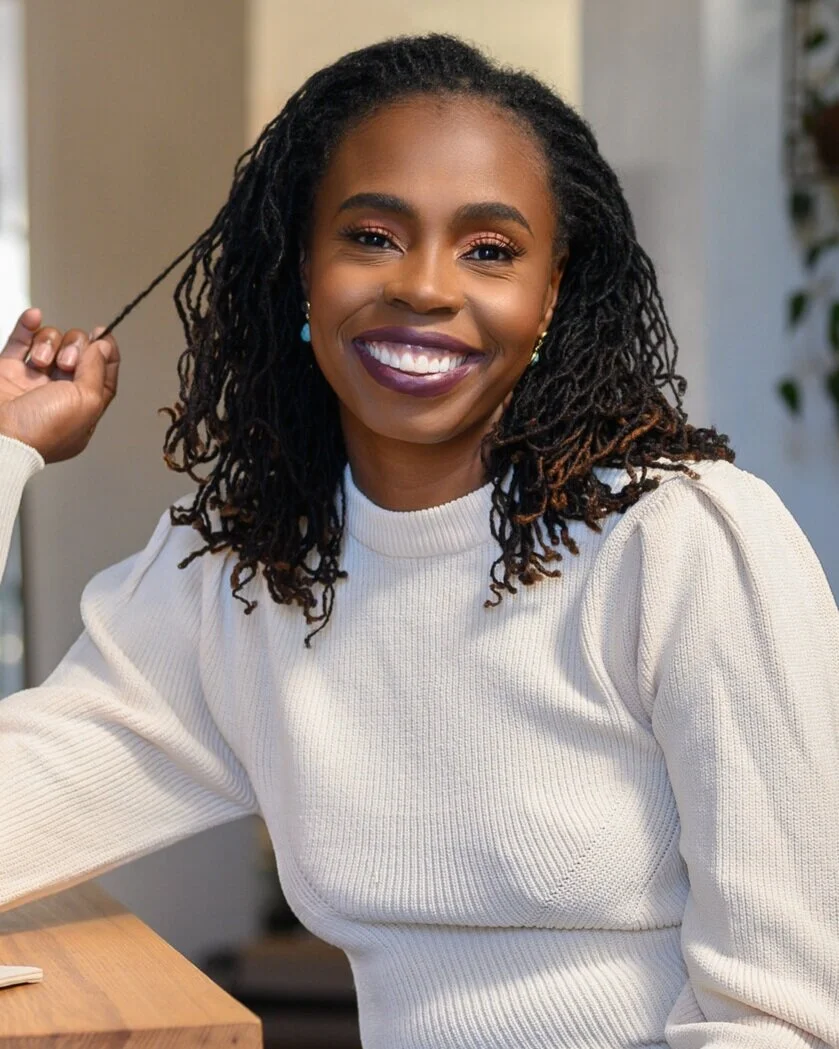
Hey there I’m Naseema
My dream is for everyone to know that financial independence is attainable with a little intentionality. Learn how I can help you finally break the cycle of living paycheck to paycheck.
Join the Facebook Community
Join the Financially Intentional community and get access to resources to guide you on the path to Financial Freedom.
Watch these Videos To Learn How to…
Keep Listening
Here are some more episodes you may enjoy…





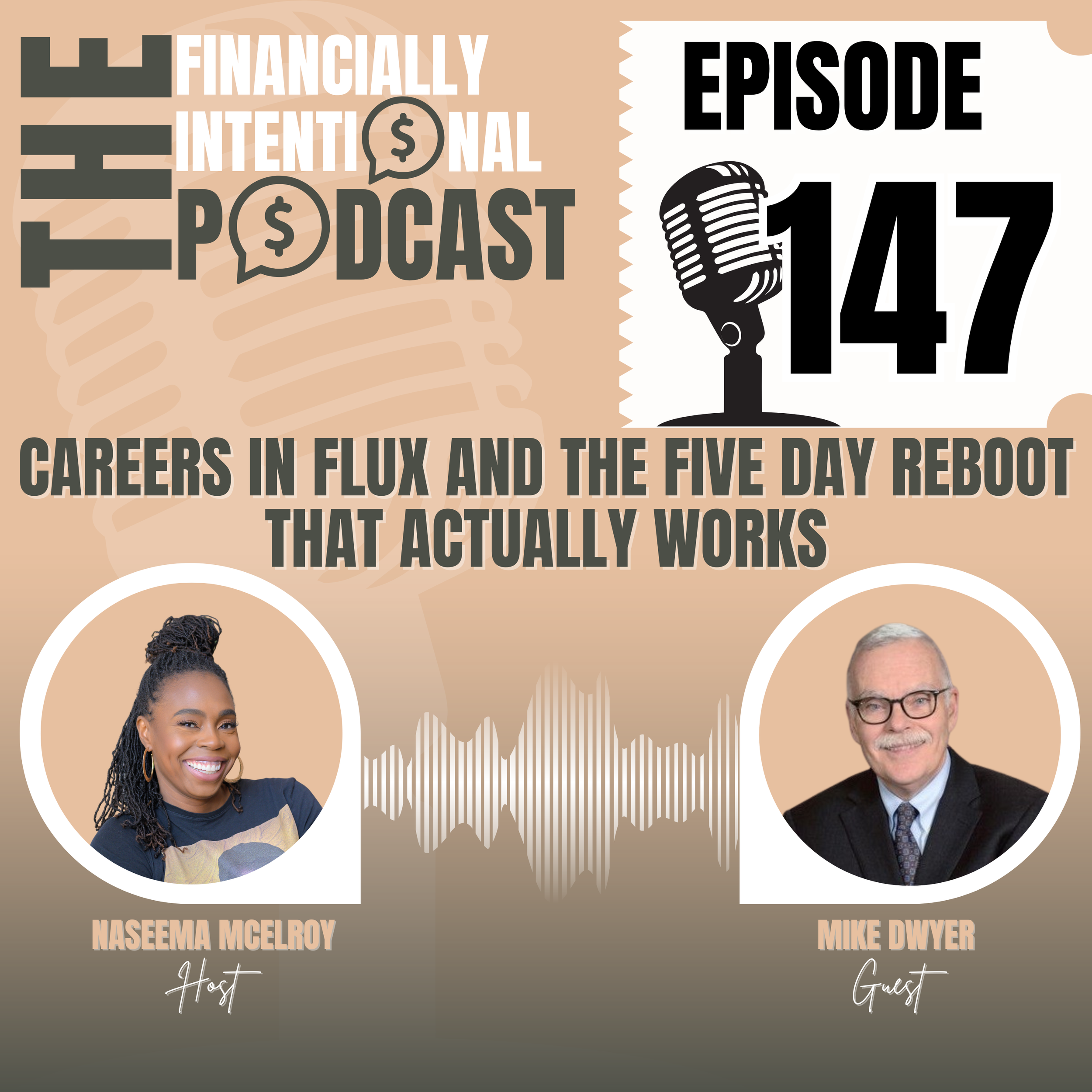


We break down what’s really happening with hormones, metabolism, and aging in a simple way, including why perimenopause can sneak up on you.